Mushroom Education
Shiitake Mushrooms: From Culinary Treasure to Medicinal Powerhouse
Apr
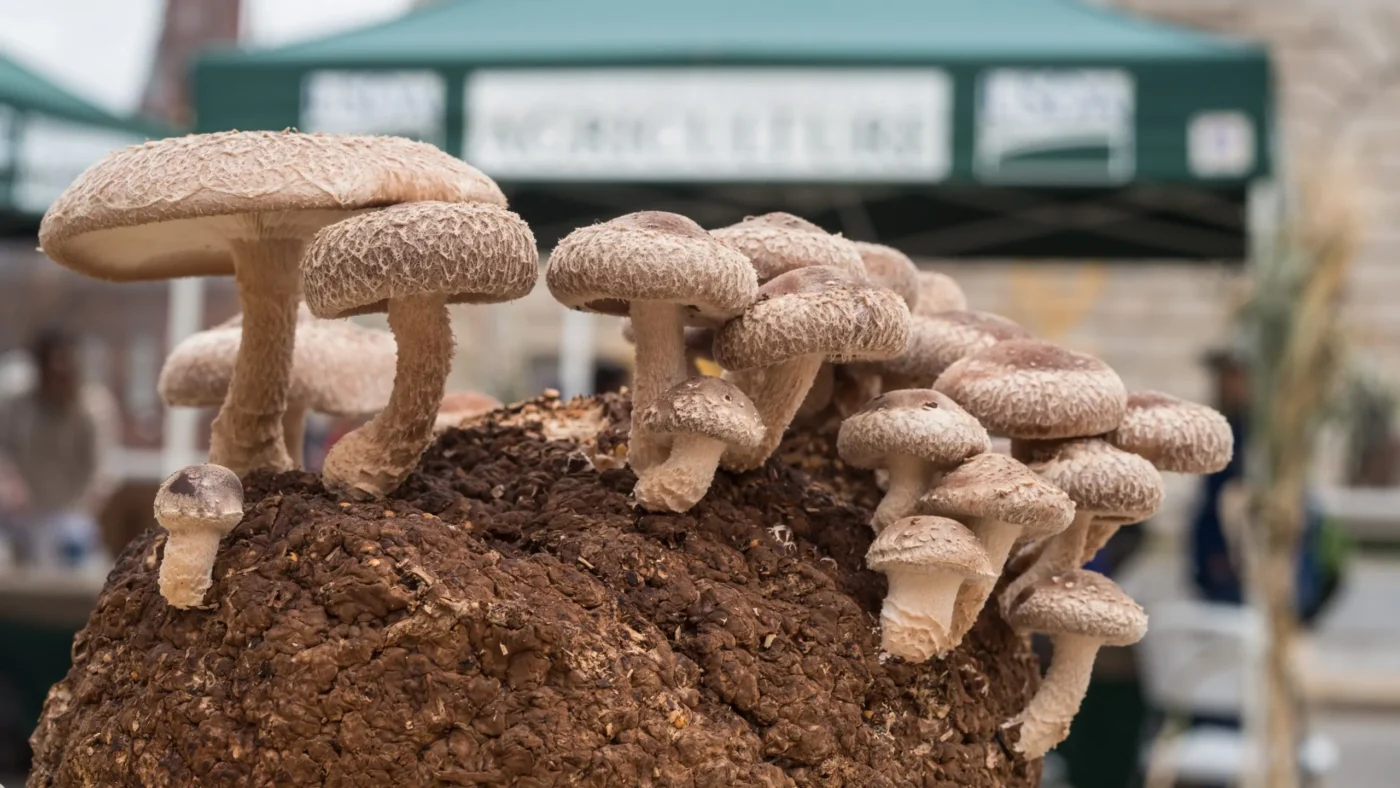
Shiitake is one of the better-known delicacies of the fungal kingdom, praised for its delicious umami flavor and meaty texture. You may have tried it in a steaming bowl of Ramen, or perhaps in a vegetable stir-fry at your favorite Asian restaurant. What most people don’t know, at least outside of Asia, is that Shiitake is also considered an extremely medicinal and therapeutic mushroom. dried shiitake mushrooms
Indeed, it’s essential to consider that in Asia, food is not only consumed for its delicious flavor, but it’s also valued for its therapeutic properties. For example, in Traditional Chinese Medicine, the famous hot and sour soup served in Chinese restaurants is valued for warming the body, stimulating digestion, improving circulation, and helping expel early-stage cold pathogens. It’s part of a gastronomic paradigm where the boundaries between food and medicine are fluid, and every ingredient is chosen not only for taste but also for its ability to support balance, vitality, and overall well-being.
Shiitake is a prime example of this. It has not only gained popularity in Asian gastronomy because of its delicious flavor, but also because it is valued as an essential therapeutic ingredient. Indeed, Shiitake is well recognized for this, and compounds that it produces have even been studied beyond traditional practices, with modern research validating their immune-supporting, cholesterol-lowering, and overall health-promoting effects. In fact, the studies conducted on compounds found within Shiitake mushrooms make it one of the most studied functional mushrooms, whose health-promoting qualities are backed by numerous clinical trials.
What Is Shiitake Mushroom?
Shiitake (Lentinula edodes) is a mushroom native to East Asia that grows naturally on decaying hardwoods, particularly on the Japanese “shii tree” (Castanopsis cuspidata), from which it gets its name. It has been treasured in Japan since at least the 14th century, and in China for even longer, revered not only as a rare seasonal delicacy but as an essential ingredient in temple cuisine and celebratory feasts.
While it still readily occurs in East Asian hardwood forests during the fall, it has been cultivated since as early as the 13th century, making it one of the mushrooms with the longest known history of cultivation. The earliest written record of primitive cultivation techniques comes from China, in Wang Zhen’s Book of Agriculture, written in 1313. In the 20th century, modern cultivation techniques were perfected, and today Shiitake is one of the most widely grown mushrooms in the world. In China and Japan, Shiitake mushrooms are classified into various classes depending on cultivation method, season, appearance, and medicinal value. While they are often sold fresh, Shiitake mushrooms are also readily dried, which allows for long-term storage and use.

Health Benefits of Shiitake Mushrooms
Shiitake has long been valued in East Asia as a health-promoting food. Traditional Chinese medicine texts describe it in detail: in the Compendium of Materia Medica (Bencao Gangmu, 16th century), Shiitake is recorded as “sweet, neutral, non-toxic,” while the Essentials of the Forest of Medicine (Yilin Cuoyao, 18th century) calls it “sweet, cool” and notes its ability to help the body expel pathogenic factors during illnesses.
Modern pharmacological research has validated many of these traditional observations. Studies now confirm that Shiitake contains a diverse range of bioactive compounds, including beta-glucans, sterols, eritadenine, and antioxidants. These compounds are associated with the immune-modulating, cholesterol-lowering, antiviral, and anti-inflammatory properties.
Of all the compounds present in Shiitake, the one that has received the most attention by the scientific community is the beta-glucan Lentinan. Beta-glucans are polysaccharides that have been the subject of extensive research on functional mushrooms, due to the unique way they help regulate human immune function. In particular, Lentinan has been studied for its utilization in various forms of cancer therapy, specifically as an adjunct to conventional treatments. Not only has Lentinan been shown to have potential cytotoxic effects against cancer cells, but it has also been shown to stimulate your own body’s immune response towards cancer cells. Shiitake also contains Eritadenine, which supports cardiovascular health by influencing cholesterol metabolism, as well as Ergosterol, a precursor to vitamin D2 and an antioxidant that protects cells from oxidative damage.

The chemical structure of the beta-glucan Lentinan found within Shiitake mushrooms.
dried shiitake mushrooms in a Psychedelic Stack
While Shiitake doesn’t have direct cognitive effects like Lion’s Mane or the deep adaptogenic profile of Reishi, it brings its own strengths to a psychedelic wellness regimen.
Microdosing Support: In long-term microdosing protocols, immune stability and systemic resilience are essential. Shiitake’s immune-balancing beta-glucans and anti-inflammatory compounds help keep the body in peak condition, reducing the risk of illness that might disrupt the process. This is why it’s included in PsyGuys’ Microdose Mushroom Gummies, where it works alongside other functional mushrooms to maintain energy and well-being.
Macrodosing Ally: High-dose psychedelic journeys can be physically demanding. Shiitake’s nutrient density, immune support, and anti-inflammatory action make it a subtle but steady ally for recovery. By helping regulate immune responses and reduce oxidative stress, it supports integration and post-journey resilience. These are the key reasons it’s featured in our Macro Dose Capsules.
Conclusion: dried shiitake mushrooms
Shiitake is more than just a gourmet ingredient. It’s a highly nourishing mushroom that can help promote health, balance, and vitality. Whether you enjoy it in a delicious meal or in a well-formulated supplement, Shiitake offers many benefits to those who consume it. This makes Shiitake a worthy addition to your kitchen and your wellness toolkit.
Considerations Before Consuming Shiitake
Shiitake is considered highly safe. Remember, this is a culinary mushroom that has been eaten in relatively large quantities for centuries. One thing to consider is that you should always cook Shiitake, as raw Shiitake cannot be easily digested and could cause digestive issues. Even when cooked, eaten in unusually high quantities, it could cause minor digestive problems to some individuals. In rare cases, individuals are allergic to Shiitake, which results in a temporary dermatitis.
Frequently Asked Questions (FAQs) About dried shiitake mushrooms
What are the main health benefits of Shiitake?
Shiitake supports immune function, cardiovascular health, and general wellness, thanks to compounds like lentinan and eritadenine.
Is Shiitake psychoactive?
No. Not at all. Shiitake does not cause hallucinations or altered perception, but it may help you feel healthier!
Can Shiitake be taken daily?
Yes. It’s safe for regular use as food or in supplement form.
Can Shiitake be used with microdosing protocols?
Yes, most definitely. Its immune and anti-inflammatory benefits help maintain balance and resilience during extended regimens.
Does cooking destroy Shiitake’s benefits?
Not at all. Cooking actually improves digestibility and can make specific nutrients more bioavailable.
Are there any side effects?
No, there are no known adverse side effects to consuming Shiitake. Excessive consumption could cause mild digestive problems or a bellyache.
How long does it take to feel the effects?
It’s hard to say since the effects aren’t usually noticeable. For example, you might not notice that you “didn’t get sick” due to the immune-boosting properties of shiitake. Generally speaking, though, the nutritional and immune benefits may take weeks of regular use to become noticeable.
Can Shiitake help with recovery after a psychedelic journey?
Potentially, yes. While it hasn’t been rigorously studied, its nutrient profile and immune support may aid physical recovery and integration.
Is dried shiitake mushrooms vegan-friendly?
Yes. It’s a mushroom, typically grown on forestry/agricultural byproducts. No animals are harmed in their production!
