
Mushroom Education
Reishi For Health, Mood, and Psychedelic Stacking
Apr
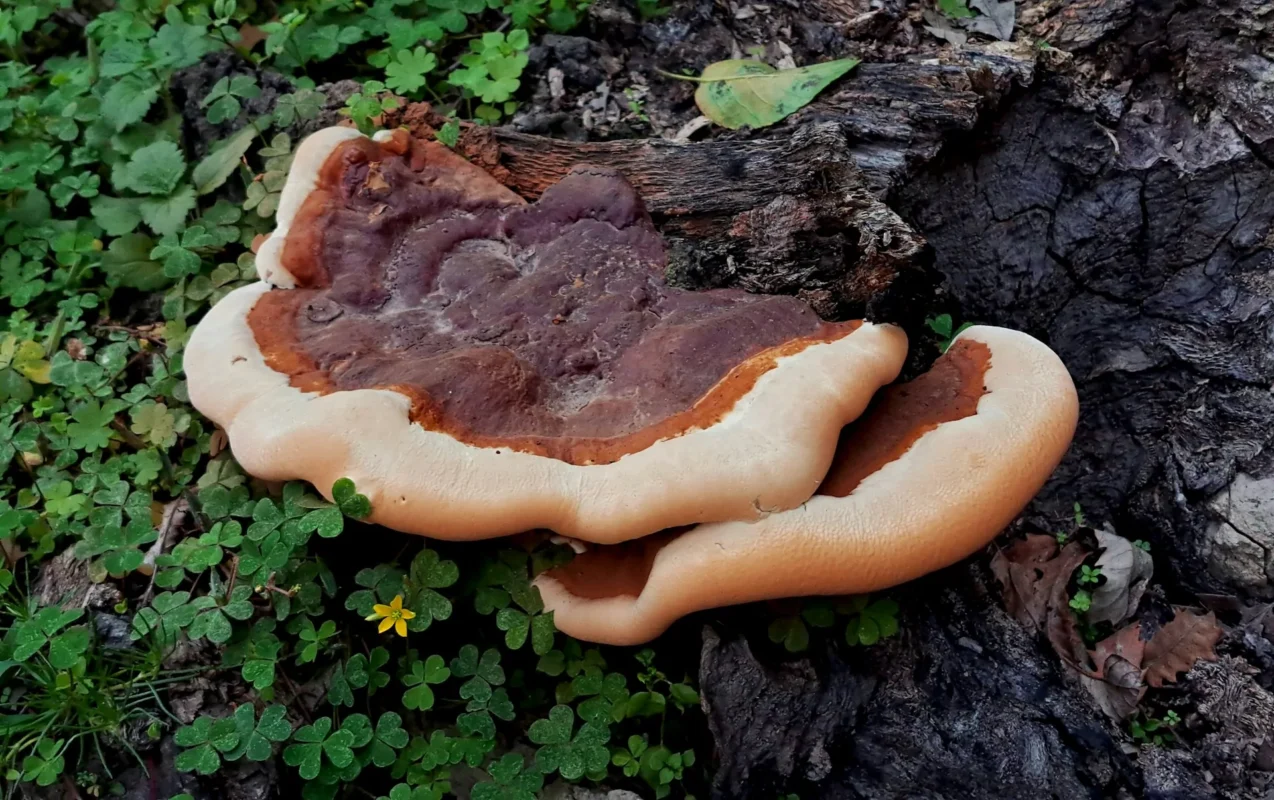
For over two thousand years, the Reishi mushroom has been a highly esteemed natural remedy in East Asian medicine. It has been so revered that it was once reserved exclusively for emperors and the noble class, who meticulously sourced it from the far reaches of the empire. Known in Chinese as Lingzhi, this mushroom has long been celebrated for its ability to promote longevity, restore inner balance, and support the treatment of serious illness. Reishi For Health
Over the past two decades, modern medicine has also extensively studied the health benefits of Reishi. Its potent bioactive compounds have been the subject of extensive research, including dozens of human clinical trials—the gold standard of contemporary medical research. These studies include research related to the treatment of cancer, infections, respiratory issues, fatigue, allergies, stress, anxiety, and much more. As we’ll go into later, the unique pharmacological nature of Reishi mushrooms means they have broad impacts that benefit almost anyone, making them practical in a wide array of contexts.
Due to their ability to relieve stress and promote relaxation, Reishi mushrooms are also now being valued in the psychedelic community as the perfect accompaniment to psilocybe mushrooms. Whether you’re going for a micro, a mini, or a macro dose, its adaptogenic nature makes it particularly well suited to support the mind and body during altered states. It helps to ease anxiety, regulate the nervous system, and foster a grounded, introspective experience. It’s like an herbal trip-sitter who’s always there to keep you calm and cool while you dissolve your ego into a puddle of cosmic soup (if that’s what you’re after.)
History Of Reishi For Health: The Mushroom Of Immortality
In China, Reishi mushrooms are also known as the mushroom of immortality and viewed as a symbol of vitality and health. Their image can be found in ancient shrines, temples, paintings, and sculptures, some of which date back thousands of years.
While we would never claim the Reishi actually makes anyone immortal (unless you’re planning to reincarnate as fungal mycelium), this legend is likely based on the wisdom and keen observation of ancient scholars and healers. Today, Reishi continues to be a symbol of longevity and is still portrayed in modern art and architecture.

Proven Benefits Of Reishi Mushroom: A True Adaptogen
Many readers have probably heard of the term adaptogen. They’re herbal supplements that help your body respond to stress and adapt to environmental factors that can negatively impact your health. Whether it’s emotional stress, inflammation, environmental toxins, or a chronic condition, adaptogens are praised for their gentle therapeutic effects and preventative properties.
The thing many people don’t realize is that the term has been appropriated and misapplied to products that don’t really qualify as actual adaptogens. In fact, leading researchers of adaptogenic medicine currently only qualify 12 herbs as TRUE adaptogens out of the thousands that they’ve studied. Amongst these, one of the most effective is our beloved Reishi mushroom.
So, what does being an adaptogen really mean? In scientific terms, it means that Reishi helps regulate the body’s stress response, supports homeostasis, and promotes resilience without causing harm or overstimulation, traits of an actual adaptogen as defined by decades of pharmacological research. Adaptogens are non-toxic, meaning that in even very large doses (much larger than needed for an effect) they cause no adverse side effects or harm to the body.
The Science Behind Reishi Mushrooms
While Reishi mushrooms contain hundreds of bioactive compounds that have raised the eyebrows of medical researchers and pharmaceutical companies, there are two primary compounds that have been shown to be particularly important for the therapeutic effects of Reishi. These are beta-glucans and triterpenes.
Beta-Glucans
Beta-glucans are special types of polysaccharides (complex sugars) found in the cell walls of Reishi mushrooms. Unlike simple sugars, they don’t raise blood sugar levels, and instead, cause a chain reaction of biological processes that improve immune function. They do this by interacting with immune cells such as macrophages, dendritic cells, and natural killer (NK) cells, essentially guiding your immune system to respond appropriately.
While they are often misinterpreted as immune stimulators, their mechanisms of action are more complex. They are better defined as immunomodulators, meaning they can rev up the immune system when needed (like at the onset of infections), or calm it down when it’s overactive (such as in autoimmune issues). Lastly, beta-glucans also support gut health. They act as prebiotics that feed the beneficial gut microbes who play a crucial role in immune regulation, digestion, and even mood.
Triterpenes
Triterpenes are bitter-tasting compounds found mainly in the fruiting body of the mushroom. These molecules have been shown to pass through the gut lining and interact with various signaling pathways in the body. For example, they inhibit the release of pro-inflammatory molecules like TNF-alpha and interleukins, which can reduce chronic inflammation, a key driver of many diseases .
Triterpenes also appear to support liver function by enhancing detoxification enzymes and protecting liver cells from damage. In cancer research, some triterpenes have demonstrated cytotoxic effects, meaning they may help kill or suppress the growth of tumor cells while leaving healthy cells unharmed.
Reishi as “The Calming Mushroom”
Reishi has long been recognized in Traditional Chinese Medicine for its ability to bring calmness. Modern research supports this, showing that compounds found in Reishi appear to influence the central nervous system in ways that reduce anxiety, relieve depression, and support a more balanced stress response. Reishi appears to influence the hypothalamic–pituitary–adrenal (HPA) axis, which is the body’s central stress response system, as well as neurotransmitters like serotonin and dopamine, which play significant roles in emotional balance and motivation.
For example, a study on women with fibromyalgia observed a distinct trend of improved levels of happiness and satisfaction with life at the end of treatment. It also noted that patients taking Reishi perceived that the treatment led to being “much improved” to “minimally improved” and was statistically correlated with a reduction in depression levels.
Another 2020 clinical study involving patients with neurasthenia, a condition characterized by chronic fatigue and nervous exhaustion, showed that Reishi supplementation for 8 weeks significantly reduced fatigue, irritability, anxiety, and depression, while improving overall quality of life. Participants reported better sleep and less mental fog, effects that reflect Reishi’s ability to regulate both mood and energy without overstimulation. Studies done on mice have also shown a reduction in anxiety and behaviors related to depression.
It is for these reasons that Reishi is valued for its relaxing and calming effects. It is commonly used in herbal blends and formulas aimed at reducing stress, anxiety, and improving sleep. This said, Reishi is perfect at any time of the day as it doesn’t cause drowsiness or sleepiness, just a sense of calm.
Reishi as Your Psychedelic Companion
Whether you’re simply microdosing for clarity and focus or looking to embark on a strong psychedelic journey, Reishi is one of the best mushrooms to stack with PsyGuys. Its calming, adaptogenic properties can help regulate the nervous system, relieve anxiety, and promote a sense of grounded peace.
When paired with PsyGuys’ Microdose Mushroom Gummies, Reishi works behind the scenes to smooth out any edges. It may help curb overstimulation, reduce anxious tension, and support emotional clarity without blunting the experience.
For higher-dose experiences, like those available in PsyGuys’ Mushroom Capsules, Reishi can act like an herbal trip-sitter. It can help you feel safe and confident, helping reduce the likelihood that your trip gets turned upside down. The combination allows deeper introspection without being overwhelmed by intensity. After the trip, Reishi will continue to regulate your nervous system, allowing for the smooth integration of your experience.
Conclusion: Reishi For Health
Reishi has been respected for millennia in Traditional Chinese Medicine and is now embraced by scientists and psychonauts alike. Its calming, adaptive nature makes it equally suited for daily wellness or transformative experiences. When ancient wisdom and modern use align so seamlessly, you know you’re dealing with something special.
Considerations Before Consuming Reishi For Health
If you are pregnant, breastfeeding, or taking blood-thinning medications, consult a doctor before use. Reishi may interact with anticoagulants or immune-related therapies. Avoid using it before surgery or other invasive treatments. Start with a low dose and observe how your body responds. If you have serious health conditions please consult a doctor. Reishi will rarely clear any illness or disease on its own, and it is best paired with a holistic practice that includes diet, exercise, and other health practices.
Frequently Asked Questions (FAQ) About Reishi Mushroom
What is Reishi mushroom?
Reishi is a medicinal mushroom known for supporting immune health, stress reduction, and overall vitality.
How do people usually take Reishi?
Reishi is often taken as capsules, extracts, teas, or powders made from the fruiting body.
Is Reishi psychoactive like psilocybin mushrooms?
No. Reishi does not cause hallucinations or alter perception.
Can Reishi help with anxiety or sleep?
Yes. Research shows it may reduce anxiety and support deeper, more restful sleep.
Is Reishi safe to take every day?
Yes, especially when used at standard doses. It is considered non-toxic.
Can I take Reishi For Health with magic mushrooms?
Yes. Many people combine Reishi with magic mushrooms to stay grounded and reduce anxiety.
How long does it take to feel the effects?
Some people notice effects within a couple hours while others report best improvements after a couple weeks of consistent use.
Does Reishi For Health taste good?
Honestly, not really. It’s bitter due to its triterpenes, which are part of what makes it medicinal
