
Uncategorized
Agaricus blazei: Benefits, Uses, and Origins
Apr
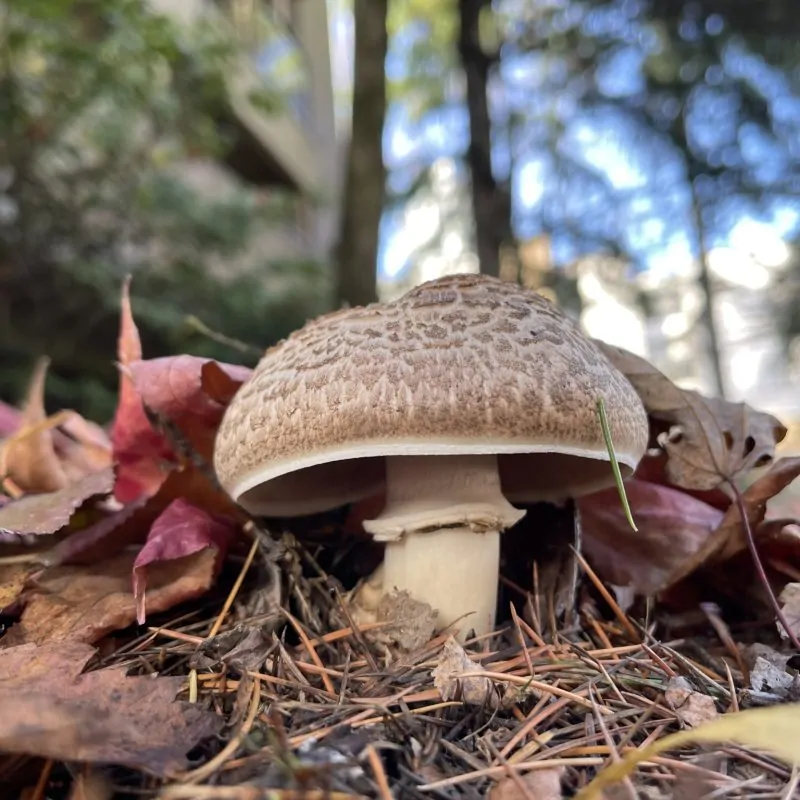
Among the diverse mushrooms that have earned a reputation for supporting human health, few have a story as intriguing as Agaricus blazei Murrill (ABM). It begins in the 1960s, when Japanese agronomist Takatoshi Furumoto encountered a large, almond-scented mushroom near the town of Piedade, São Paulo State, Brazil. There is no clear record of what drew his attention to this mushroom, but sources claim that he believed its flavor and aroma resembled that of the highly esteemed Matsutake, which is extremely beloved in Japan. Some reports cite that Mr. Furumoto witnessed that the communities that consumed this mushroom were in excellent health, which he attributed partly to consuming this mushroom. While this story is commonly repeated, it is unclear whether there was traditional use of this mushroom in the region.
Regardless, Furumoto not only developed cultivation methods for the mushroom in Brazil, where it was known as “Cogumelo do Sol” (a name translated to Royal Sun Agaric), but also worked with colleagues in Japan to investigate its medicinal properties. They discovered that Agaricus blazei Murrill contained unusually high levels of bioactive polysaccharides capable of stimulating and modulating the immune system. Early laboratory tests suggested potential anti-tumor activity, antioxidant effects, and support for metabolic health. These findings fueled a wave of interest in both countries, leading to refined cultivation techniques, larger-scale production, and a steady stream of research into its therapeutic applications. By the late 1970s, ABM had become a celebrated “functional mushroom” in Japan, where it is still known as Himematsutake.
It is admired not only for its rich, nutty flavor but for its promise as a bridge between traditional food culture and modern integrative medicine. One often-repeated anecdote claims that former U.S. President Ronald Reagan consumed Agaricus blazei on the recommendation of his doctors during treatment for skin cancer. While the story has become part of the mushroom’s lore, there is no verifiable evidence to confirm it and it may have likely been a marketing tactic.
What is Agaricus blazei?
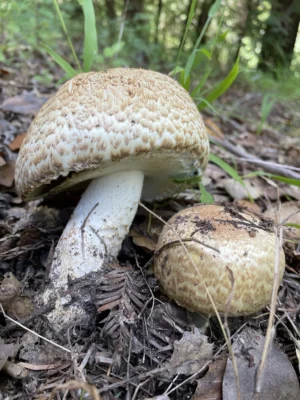
Agaricus blazei is a mushroom closely related to the common button mushroom you find in your local grocery store or in your can of mushroom soup. It is considered a typical “stem and cap” mushroom with gills that tends to grow in rich organic soils after periods of rain. It prefers warm tropical climates, like that of Brazil, although it can also occur in more temperate climates during periods of warm, humid weather.
Today, modern taxonomic studies have revealed that this mushroom is actually the same species as the Almond Scented Agaricus (Agaricus subrufescens), which also grows in the eastern United States. This said, since this name is rarely used in the context of functional mushrooms, we will continue calling it Agaricus blazei to avoid confusion. This mushroom can be cultivated on rich compost-based substrates, much like the common button mushroom. It has a delicious flavor and aroma, which is often compared to Almond extract. It is said to resemble the flavor of the Prince Agaricus (Agaricus augustus.)
Health Benefits of Agaricus Blazei
In both Japan and Brazil, ABM is consumed as a food and as an extract. Its health-promoting reputation is mainly due to a suite of bioactive polysaccharides known as beta-glucans. If you’ve read our other articles on functional mushrooms, then you know these are key bioactive compounds in many of the functional mushrooms we utilize in our formulas. Agaricus blazei has been part of extensive research, including pre-clinical and human clinical trials.
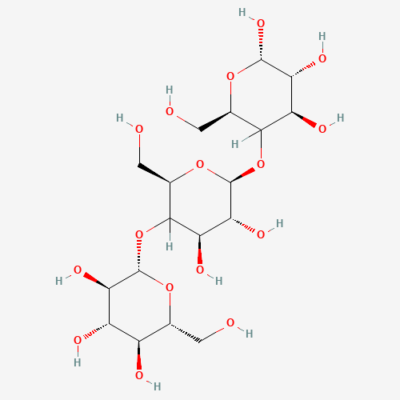
Chemical structure of fungal beta-glucans.
- Immune System Modulation: ABM’s beta-glucans stimulate macrophages, natural killer (NK) cells, and T-cells, enhancing pathogen defense while helping regulate overactive immune responses. Japanese clinical studies have examined ABM extracts as adjuncts in cancer care, noting improved quality of life and possible enhancement of chemotherapy effects.
- Metabolic Health: Experimental models suggest ABM may improve insulin sensitivity and help regulate blood glucose, making it of interest for metabolic syndrome research. Some small human trials report improved lipid profiles and antioxidant status after supplementation.
- Anti-Cancer Potential: Both in vitro and animal studies indicate ABM extracts can inhibit tumor growth and reduce metastasis, possibly through immune activation and direct cytotoxic effects. However, large-scale, long-term clinical confirmation is still needed.
- Anti-Inflammatory & Hepatoprotective Effects: ABM polysaccharides and secondary metabolites show promise in reducing systemic inflammation and protecting liver function, particularly in toxin-induced injury models.
Ergothioneine: The “Longevity Vitamin”
In addition to its beta-glucans and polysaccharides, Agaricus blazei is a notable source of ergothioneine. This is a rare antioxidant amino acid sometimes referred to as a “longevity vitamin.” Humans cannot synthesize ergothioneine, and they must obtain it from dietary sources, most notably mushrooms and other fungi.
Once absorbed, it’s actively transported into cells and concentrated in tissues that experience high oxidative stress, such as the liver, kidneys, eyes, and brain. Research suggests ergothioneine may help protect cells from cumulative oxidative damage, support mitochondrial function, and maintain healthy inflammatory responses over time. Clinical trials conducted on elderly individuals with Ergothioneine also suggest it may improve cognitive function and help prevent cognitive decline.
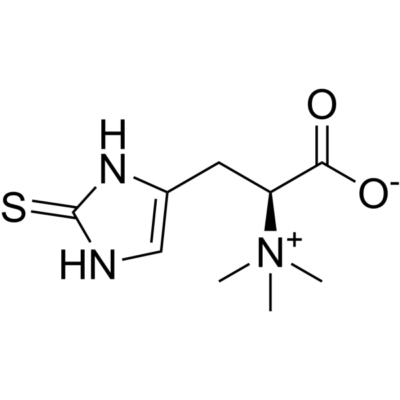
Chemical structure of ergothioneine.
Agaricus blazei in a Psychedelic Stack
Agaricus blazei’s broad systemic support makes it an excellent companion to both microdosing and higher-dose journeys.
Microdosing Support: Long-term psychedelic protocols can subtly tax the body’s immune and metabolic systems. ABM’s rich beta-glucans help maintain immune resilience, while its metabolic-supporting properties aid in stabilizing blood sugar and circulation. It’s naturally occurring ergothioneine adds another layer of protection as it accumulates in tissues that undergo high oxidative stress, potentially helping your body better handle the day-to-day wear of extended protocols.
Macrodosing Ally: High-dose psychedelic experiences can be physically demanding, creating short-term oxidative stress and inflammation. ABM’s combination of beta-glucans, anti-inflammatory compounds, and ergothioneine may help buffer these effects, promoting smoother physical recovery and reducing “afterglow fatigue.” It’s not going to alter the nature of your trip, but it can help keep your body grounded, resilient, and better prepared for integration during the trip and in the days that follow.
Conclusion
While Agaricus blazei is one of the least known functional mushrooms on the market, there’s no doubt that it contains many attractive health benefits. It is for this reason that it has been utilized as an alternative medicine in Japan for almost half a century. Whether taken for immune support, metabolic balance, or as a quiet ally in a psychedelic stack, this mushroom brings steady, full-body support that works as subtly as it is profoundly.
Considerations Before Consuming Agaricus blazei
Agaricus blazei is generally considered safe as a food and supplement. If consumed fresh, it should always be cooked to make sure all its nutrients are bioavailable and to prevent digestive problems. Unless you have a known allergy to mushrooms, there is no need to worry about consuming Agaricus blazei. If you have existing illnesses and plan to consume it in very large quantities, you should consult with your doctor just in case.
Frequently Asked Questions About Agaricus blazei Murrill (ABM)
What is Agaricus blazei Murrill?
Agaricus blazei Murrill, also known as “Cogumelo do Sol” in Brazil and “Himematsutake” in Japan, is an edible and medicinal prized for its almond-like aroma, rich flavor, and bioactive compounds with potential health benefits.
What are the health benefits of Agaricus blazei?
Agaricus blazei contains beta-glucans and antioxidants such as ergothioneine. Research suggests it may support immune function, help regulate blood sugar, promote cardiovascular health, and provide antioxidant protection. Some studies also explore its role alongside conventional cancer treatments.
Does Agaricus blazei have psychedelic effects?
No. ABM is not psychoactive. However, its immune-modulating, metabolic, and antioxidant properties make it a supportive companion to psychedelic protocols by helping the body stay balanced and resilient.
Is Agaricus blazei safe to consume daily?
ABM is widely consumed as food and considered safe for most people. If you have a known allergy to mushrooms or have been recommended not to consume them by a health care professional, then you likely want to avoid Agaricus blazei.
How do you take Agaricus blazeis?
Agaricus blazei can be cooked into meals or taken as an extract or supplement. For therapeutic use, standardized extracts are often preferred to ensure consistent beta-glucan content. Do not consume Agairus blazei raw.
Does Agaricus blazeis contain ergothioneine?
Yes. Agaricus blazei is a natural source of ergothioneine, a rare antioxidant amino acid sometimes called a “longevity vitamin.” Ergothioneine may help protect cells from oxidative stress and support healthy aging.
Was Agaricus blazei traditionally eaten in Brazil?
While local use in Piedade is often cited in modern literature, historical evidence is limited and is based on obscure reports of the Japanese agronomist Takatoshi Furumoto in the 1960s, who began cultivating it after discovering it in Brazil.
Can you forage Agaricus blazei in the wild?
Yes, although its more accurate taxonomic name is Agaricus subrufescens.
What does Agaricus blazei taste like?
It has a rich, nutty, slightly sweet flavor with an almond-like aroma.
Did Ronald Reagan consume Agaricus blazei?
No credible evidence exists to confirm this claim, although it is cited in various sources.
